
Open House Registration Now Open
Eclipse’s 5th Annual Open House & Car Show returns to Cincinnati with hundreds of show cars, thousands of enthusiasts, food trucks, and family-friendly automotive excitement.
Eclipse Blog
Industry insights, shop updates, and deep dives into paint protection, tint, and automotive care.
Eclipse’s 5th Annual Open House & Car Show returns to Cincinnati with hundreds of show cars, thousands of enthusiasts, food trucks, and family-friendly automotive excitement.
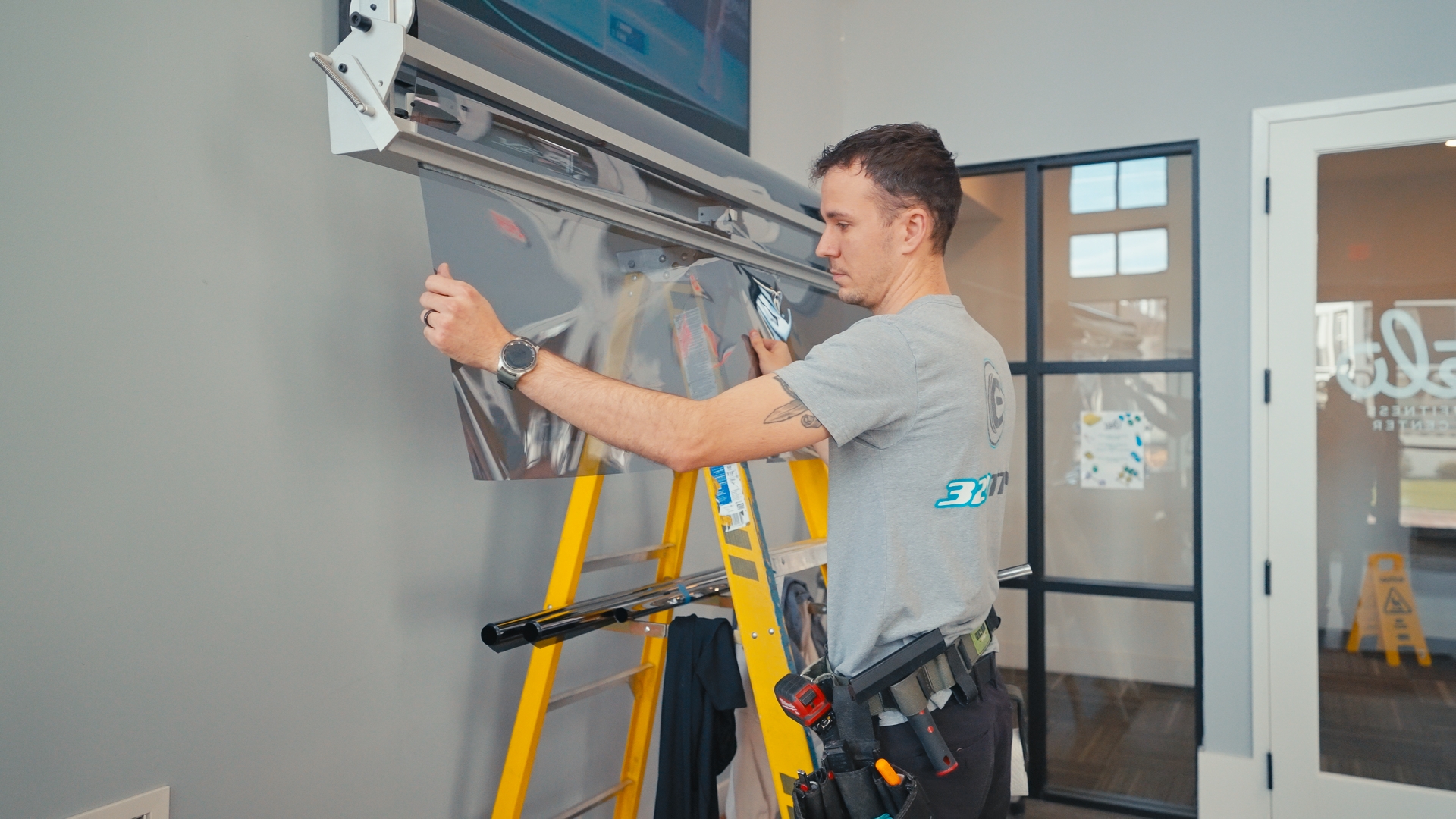
Can window film really reduce energy bills in commercial buildings? Learn how modern window film lowers heat gain, improves HVAC efficiency, and boosts comfort without darkening interiors.

Eclipse hosts the Porsche Club of America Zone 4 Presidents Meeting in Cincinnati, bringing together regional leaders for collaboration, community, and future planning.
Mar 19, 2026, 1:00 PM
Window film can significantly reduce solar heat gain in commercial buildings
Lower heat gain means HVAC systems don’t have to work as hard
Energy savings depend on building type, glass, orientation, and usage
Modern commercial window films improve comfort without darkening interiors
When properly selected and installed, window film can deliver measurable operational savings
Glass is one of the biggest energy weak points in commercial buildings.
While windows provide natural light and visibility, they also allow:
Excess solar heat to enter during warmer months
UV radiation that heats interior surfaces
Inconsistent temperatures across offices and workspaces
In many facilities, HVAC systems end up compensating for this heat gain all day long, especially in buildings with large window areas, older glass, or west- and south-facing exposures.
Commercial window film works by managing solar energy before it enters the building.
Depending on the film type, it can:
Reflect or absorb solar heat
Reduce infrared radiation (the primary source of heat buildup)
Maintain visible light while cutting heat
Stabilize indoor temperatures across rooms and floors
By reducing heat gain at the window, HVAC systems cycle less frequently and operate more efficiently, which directly impacts energy usage.
Window film is not a magic switch that cuts energy bills in half, but it can deliver meaningful savings when applied strategically.
Energy cost reductions are most noticeable in buildings that:
Experience high solar exposure
Have large glass façades or curtain walls
Struggle with hot spots or uneven temperatures
Run HVAC systems for long hours
In these environments, window film can lower peak cooling demand, reduce strain on equipment, and help smooth temperature fluctuations that drive energy waste.
One common misconception is that window film must be dark to be effective.
Modern commercial films are engineered to:
Reject heat without significantly reducing daylight
Preserve natural light and exterior views
Avoid the “tinted office” appearance many building owners want to avoid
Spectrally selective and ceramic-based films are especially effective at blocking heat while keeping interiors bright, making them ideal for offices, healthcare facilities, retail spaces, and schools.
Lower energy usage is only part of the value equation.
Commercial window film can also:
Improve occupant comfort and productivity
Reduce glare on screens and workstations
Protect interiors from UV-related fading
Extend HVAC system life by reducing workload
These indirect benefits often contribute to long-term operational savings that go beyond utility bills alone.
Not every building will see the same results.
Window film delivers the strongest return when:
Existing windows cannot easily be replaced
Renovation budgets are limited
Comfort complaints are tied to sun exposure
Energy efficiency upgrades are needed without downtime
Because every building is different, the most effective approach starts with evaluating glass type, orientation, usage patterns, and performance goals, not just picking a film off a spec sheet.
“Window film is one of the most practical upgrades a building owner can make when it comes to improving comfort and reducing energy waste. We work with clients every day who are dealing with hot spots, overworked HVAC systems, and rising energy costs.
By properly selecting the right film for the building, we can significantly reduce heat gain while keeping interiors bright and comfortable. It is not just about lowering utility bills; it is about creating a better environment for the people inside the space.
Our goal is to help building owners make informed decisions and get real, measurable results from their investment.”
— Rick Puthoff
If you are exploring ways to reduce energy costs while improving comfort in your commercial space, professional guidance can help you determine whether window film is the right solution, and which type delivers the best return.
Eclipse Window Tinting works with building owners and facility managers to assess solar exposure, energy challenges, and performance goals, then recommend window film options customized to the building’s needs.
If you have questions about energy savings, film performance, or how window film fits into a broader efficiency strategy, contact Eclipse Window Tinting for expert insight and confidence in your next step.