Overview Summary
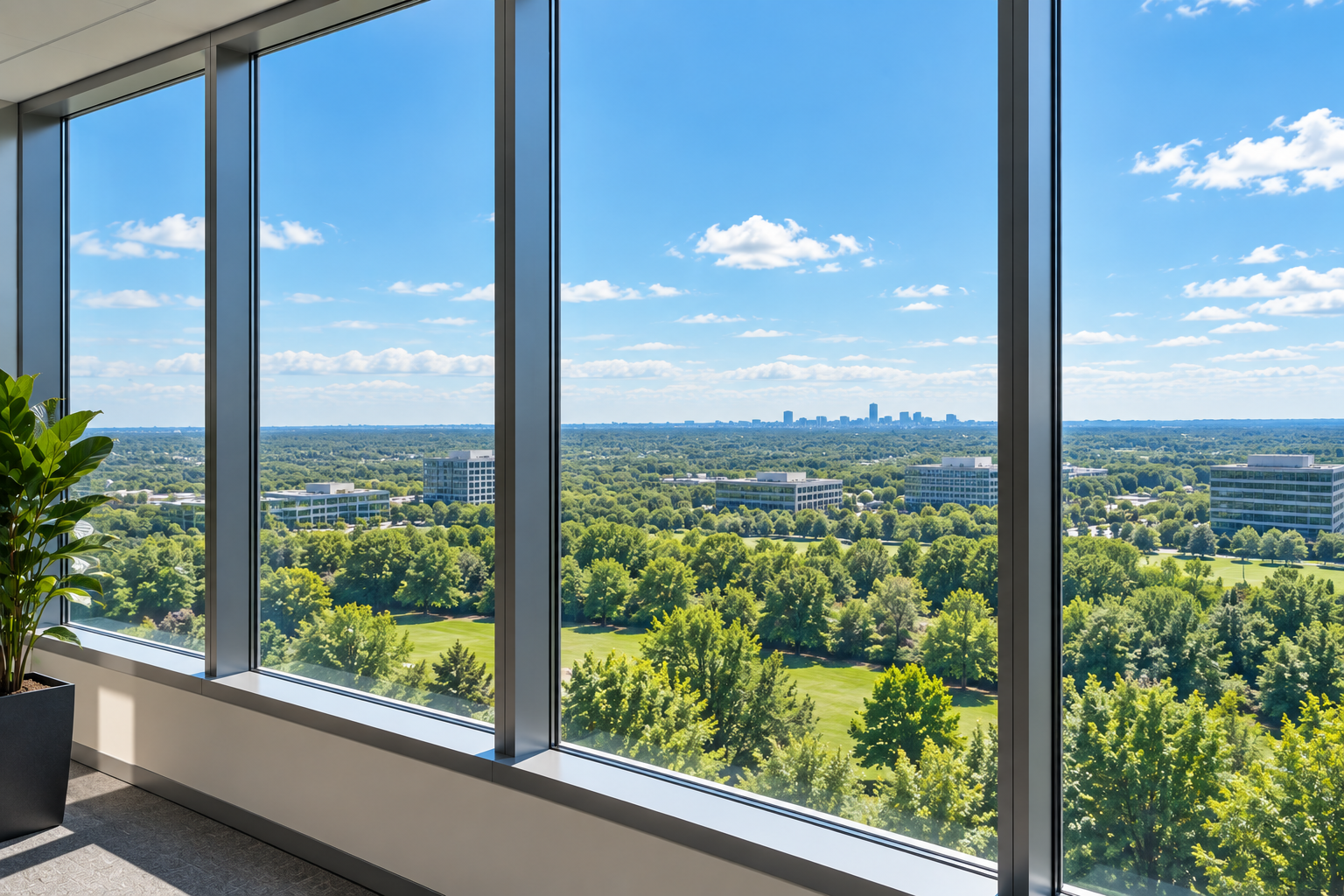
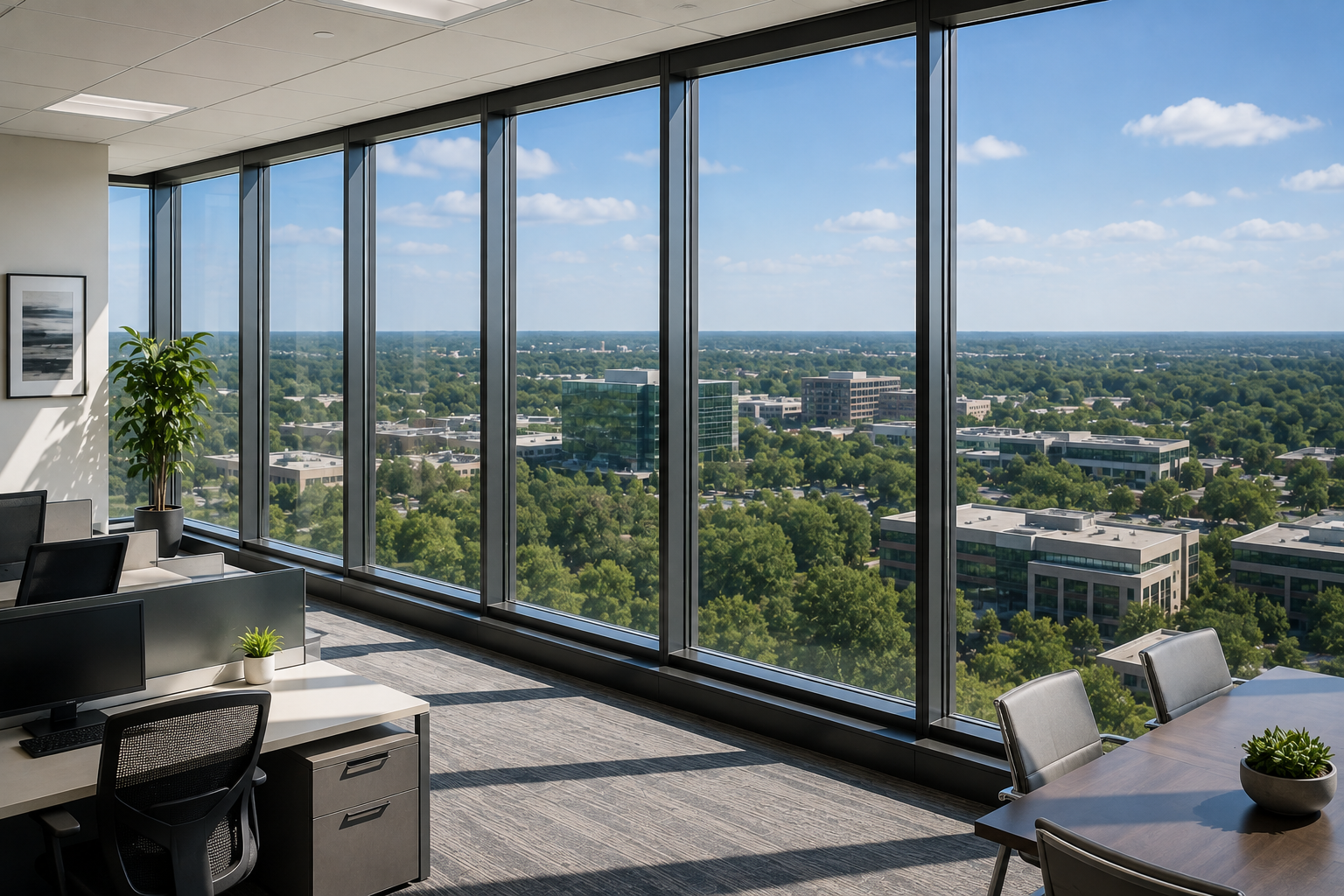
Commercial solar window film can significantly reduce unwanted heat without making your building's windows look excessively dark
Modern films are designed to target
solar heat and harmful UV rays while allowing natural visible light to continue entering the building
Spectrally selective window films
are especially useful for businesses that want strong solar performance with minimal changes to the appearance of their glass
Reducing solar heat gain can help create
more consistent indoor temperatures
and decrease the workload placed on HVAC systems
Commercial solar film can also help
reduce glare and protect flooring, furniture, merchandise, and other interior finishes from UV damage
Different films provide different levels of
heat rejection, visible light transmission, glare reduction, privacy, and reflectivity
Eclipse Window Tinting professionally installs commercial solar window film throughout
Greater Cincinnati
based on the specific needs of each property
Can You Reduce Heat Without Making Your Windows Dark?
It's one of the biggest concerns we hear from commercial property owners considering window film.
"Will window film make my building look dark?"
The answer is: it doesn't have to.
Older window films helped create the perception that reducing heat required noticeably dark or highly reflective glass.
Modern commercial window film technology gives property owners significantly more options.
Today's films can be designed to target the portions of solar energy responsible for unwanted heat while still allowing a significant amount of visible natural light through the glass.
That means an office, storefront, healthcare facility, school, or other commercial property can reduce solar heat without sacrificing the bright, open appearance the building was designed to have.
Why Do Commercial Windows Create So Much Heat?
Large windows are an important part of modern commercial architecture.
They provide:
Natural daylight
Exterior views
A more open environment
Modern aesthetics
Bright workspaces
But all that glass can also allow significant amounts of solar energy into the building.
This is especially noticeable on south- and west-facing windows that receive direct sunlight for extended periods.
As sunlight enters through untreated glass, certain areas of a building can become noticeably warmer than others.
You may notice:
Hot offices near exterior windows
Conference rooms that become uncomfortable in the afternoon
Employees constantly adjusting blinds
Higher demand on air conditioning
Glare across computer screens
Significant temperature differences throughout the building
The problem isn't necessarily having large windows.
It's controlling the solar energy passing through them.
How Does Commercial Solar Window Film Work?
Commercial solar window film is professionally applied directly to existing glass.
Once installed, the film helps manage the solar energy passing through the window before it enters the building.
Depending on the specific film selected, it can help:
The important part is that heat rejection and visible darkness aren't necessarily the same thing.
Modern film technology allows businesses to select products that provide solar performance while maintaining higher levels of visible light.
What Is Spectrally Selective Window Film?
One of the most useful technologies for businesses concerned about darkening their windows is spectrally selective window film.
Instead of simply reducing all of the sunlight passing through the glass, these films are engineered to selectively manage different portions of solar energy.
They can target infrared heat and harmful UV rays while allowing much of the visible natural light to continue passing through the window.
This can help businesses maintain:
For commercial properties where maintaining the building's existing appearance is a priority, spectrally selective films can provide an excellent balance between performance and aesthetics.
Does Better Heat Rejection Mean Darker Film?
Not necessarily.
This is one of the biggest misconceptions surrounding commercial window film.
A darker film doesn't automatically mean it's the best film for reducing heat.
Different commercial window films are engineered to manage solar energy in different ways.
Depending on the technology, a lighter or nearly clear film may still provide significant solar performance without creating the dark appearance many property owners associate with traditional tint.
That's why choosing commercial window film shouldn't be based exclusively on how light or dark the film looks.
You also need to consider:
The goal is to find the right combination for the property rather than simply choosing the darkest film available.
Maintain Natural Light and Exterior Views
Businesses invest in large windows for a reason.
Natural daylight can make offices, waiting areas, restaurants, retail stores, and other commercial spaces feel brighter, larger, and more inviting.
Installing commercial window film doesn't mean those benefits have to disappear.
The right film can help control solar heat while allowing employees, clients, customers, and visitors to continue enjoying natural light and exterior views.
This is especially important for:
Office buildings
Retail storefronts
Healthcare facilities
Restaurants
Schools
Hotels
Showrooms
Professional offices
Instead of keeping blinds closed throughout the day to control heat and glare, commercial solar window film allows businesses to make better use of the glass they already have.
Reduce Hot Spots Throughout Your Building
Solar heat gain doesn't always affect an entire building equally.
One side of an office may feel comfortable while another side becomes significantly warmer because of direct sunlight.
These hot spots are especially common near large exterior windows.
Employees may compensate by:
Commercial solar window film can help reduce the amount of solar heat entering through these windows, creating more consistent temperatures throughout the building.
This can make previously uncomfortable offices, conference rooms, reception areas, and workspaces much more usable throughout the day.
Can Commercial Window Film Help Reduce Cooling Costs?
When solar energy constantly heats a building through untreated windows, the HVAC system has to compensate.
During Cincinnati's warmer months, that can mean air conditioning systems are working harder to maintain comfortable indoor temperatures.
By reducing solar heat gain, commercial window film can help decrease some of that cooling demand.
Depending on the building, this can contribute to:
Actual energy savings will vary based on the building, glass, sun exposure, HVAC system, and film selected.
But for many commercial properties, reducing the amount of heat entering through the windows can be an important part of a broader energy-efficiency strategy.
Reduce Glare Without Closing the Blinds
Heat isn't the only issue created by direct sunlight.
Glare can be especially frustrating in offices where employees spend most of the day working on computers.
Direct sunlight can cause:
Glare across computer monitors
Eye strain
Difficulty viewing screens
Employees repositioning monitors
Blinds remaining closed throughout the day
The right commercial solar film can help reduce excessive glare while still maintaining natural light.
Instead of choosing between bright glare and a dark room with closed blinds, businesses can create a more balanced environment.
Protect Your Interior From UV Damage
Solar window film can also help protect what's inside your building.
Over time, exposure to UV radiation contributes to fading and deterioration of:
Flooring
Furniture
Upholstery
Artwork
Merchandise
Displays
Interior finishes
Reception areas
Commercial solar film can block a large percentage of harmful UV rays, helping slow the fading process and protect the investments you've made inside your property.
This can be particularly valuable for retail stores, showrooms, offices, waiting areas, restaurants, and other properties with valuable furnishings or merchandise near windows.
Will Commercial Window Film Change the Appearance of My Building?
It can, but how much it changes depends on the film you choose.
Commercial films are available with a wide range of appearances.
Depending on your goals, you may prioritize:
Maximum natural light
A neutral appearance
Low reflectivity
Increased daytime privacy
Higher solar heat rejection
Greater glare reduction
A more reflective exterior appearance
Some property owners want their window film to be almost unnoticeable.
Others intentionally choose a more reflective film because they want additional daytime privacy or a particular architectural appearance.
There isn't one film that's right for every building.
That's why product selection is such an important part of a commercial window film project.
Which Buildings Benefit Most From Solar Window Film?
Commercial solar window film can be useful anywhere excessive sunlight is creating heat, glare, fading, or comfort problems.
Common applications include:
Office buildings
Retail storefronts
Medical and healthcare offices
Schools
Restaurants
Churches and places of worship
Government and municipal buildings
Hotels
Apartment and condominium common areas
Showrooms
Buildings with significant south- or west-facing glass may experience particularly noticeable solar heat during certain portions of the day.
However, every property is different.
The building's orientation, existing glass, surrounding structures, and desired appearance should all be considered before selecting a film.
Why Professional Film Selection Matters
Choosing a commercial window film based solely on a sample or how dark it looks can lead to the wrong solution.
A professional installer should consider factors such as:
The film that's ideal for a west-facing conference room may not be the same product you'd choose for a retail storefront where maximum natural light and merchandise visibility are priorities.
The right film should solve the problem without creating a new one.
Upgrade Your Existing Glass Without Replacing Your Windows
One of the biggest advantages of commercial solar window film is that it works with your existing glass.
Replacing commercial windows can be expensive, time-consuming, and disruptive to normal business operations.
Window film can provide a more practical way to improve the performance of existing windows without requiring a complete window replacement.
Professional installation can also typically be completed with minimal interruption to daily operations.
For many existing commercial buildings, this makes solar window film an attractive way to address heat and glare while maintaining the property's appearance.
Why Choose Eclipse?
For more than 25 years, Eclipse Window Tinting has provided professional window film solutions throughout Greater Cincinnati.
Every commercial property is different, which is why we don't believe in taking a one-size-fits-all approach to window film.
Our team can evaluate your building's glass, orientation, appearance, and performance goals to help determine the appropriate film.
When you choose Eclipse, you benefit from:
More than 25 years serving Greater Cincinnati
Professionally trained window film installers
Premium commercial window film solutions
Options designed for heat, glare, UV protection, and privacy
Solutions customized to your existing glass and building
Professional consultation and installation
Whether your biggest concern is afternoon heat, glare, energy efficiency, fading, or maintaining natural light, our goal is to find the right balance for your property.
A Message From The Owner
"One of the biggest concerns we hear from commercial clients is that they want to reduce the heat coming through their windows, but they don't want to make their building dark. The good news is that modern window film gives us a lot more options than people realize.
We can look at the glass, how much sun that side of the building receives, and what the client wants the finished windows to look like. From there, we can recommend a film that helps address the heat while still maintaining the natural light and appearance that's important to them."
— Rick Puthoff, Owner
Reduce the Heat, Not the Natural Light
You shouldn't have to choose between a bright building and a comfortable building.
Modern commercial solar window film makes it possible to reduce unwanted solar heat, control glare, block harmful UV rays, and improve the performance of your existing glass without automatically making your windows excessively dark.
The right solution depends on your building, existing glass, sun exposure, and appearance goals.
Contact Eclipse Window Tinting today to schedule a commercial window film consultation. Our team can evaluate your property and help you find the right balance between heat rejection, natural light, appearance, and long-term performance.